
AI-Powered Health Monitoring: A New Era of Independence for Seniors
Introduction
Healthcare for older adults is undergoing a quiet revolution. Advances in artificial intelligence (AI) and wearable technology are reshaping how seniors manage their health, offering independence, safety, and peace of mind for families. In 2025, these tools are no longer futuristic—they’re practical, affordable, and increasingly essential.
What Is AI-Powered Health Monitoring?
AI-powered health monitoring combines wearable devices (like smartwatches, patches, or smart clothing) with machine learning algorithms that analyze health data in real time. These systems don’t just track—they predict.
- Vital signs tracking: Heart rate, blood pressure, oxygen saturation, glucose levels.
- Predictive analytics: AI can flag early signs of heart disease, diabetes complications, or respiratory issues.
- Fall detection: Smart sensors detect sudden movements and alert caregivers instantly.
- Medication reminders: Devices sync with apps to ensure seniors take prescriptions on time.
Real-World Examples in 2025
Smartwatches with ECG & glucose monitoring now provide continuous updates, reducing hospital visits.
AI-driven fall detection systems automatically notify emergency services if a senior is immobile after a fall.
Smart home integration: Voice assistants connected to health devices can alert caregivers or doctors when anomalies are detected.
Benefits for Seniors and Caregivers
Independence: Seniors can live at home longer without constant supervision.
Peace of mind: Families receive real-time updates and alerts.
Early intervention: Doctors can act before conditions worsen.
Cost savings: Preventing hospitalizations reduces healthcare expenses.
Challenges to Consider
Affordability: Not all seniors can afford advanced devices.
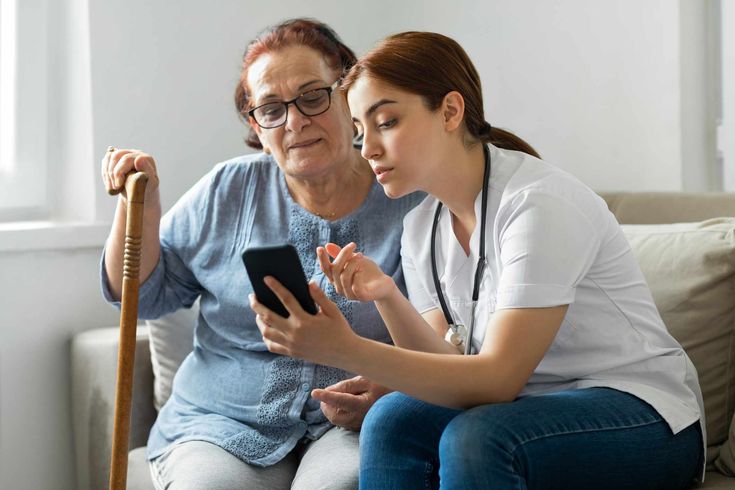
Digital literacy: Some older adults struggle with technology.
Privacy concerns: Health data security remains a major issue.
Over-reliance: Technology should complement—not replace—human care.
Practical Tips for Seniors and Families
Start small: Begin with a simple smartwatch or glucose monitor.
Educate: Offer training sessions for seniors to build confidence with devices.
Pair with human care: Use AI tools as support, not substitutes.
Check privacy settings: Ensure devices comply with healthcare data protection standards.
Conclusion
AI-powered health monitoring is not just about gadgets—it’s about dignity, independence, and proactive care. For seniors, it means living longer, healthier lives at home. For families, it means reassurance that loved ones are safe. As technology continues to evolve, the future of elderly healthcare looks brighter than ever.