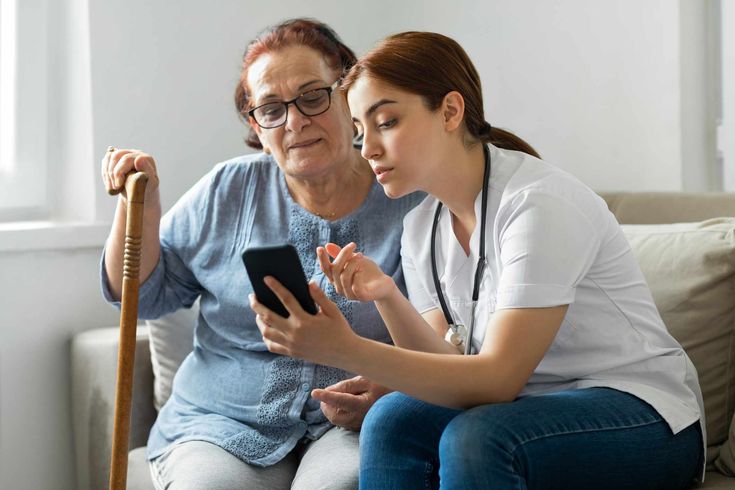
Healthy Aging in a Changing World

Aging is a natural part of life, but in 2025 the way we age is being reshaped by global health trends, technological advances, and shifting social structures. Seniors today are living longer than previous generations, yet longevity alone does not guarantee quality of life. Healthy aging requires a proactive approach that blends lifestyle choices, preventive healthcare, and social engagement. With chronic diseases such as diabetes, cardiovascular conditions, and dementia on the rise, the importance of prevention and early intervention has never been greater. Seniors and caregivers must adapt to a world where healthcare systems are strained, but opportunities for healthier living are expanding.
Nutrition
Nutrition remains one of the most powerful tools for healthy aging. Research continues to show that diets rich in whole foods, lean proteins, fruits, vegetables, and healthy fats can reduce the risk of chronic illness and improve energy levels. In 2025, personalized nutrition plans are becoming more accessible, with AI-driven apps helping seniors track their dietary needs and adjust based on medical conditions. Beyond physical health, nutrition also plays a critical role in cognitive function, with omega-3 fatty acids, antioxidants, and vitamin-rich foods linked to reduced risk of dementia. Seniors who prioritize balanced diets not only protect their bodies but also safeguard their minds, ensuring independence and vitality well into later years.
Physical Activities
Equally important is the role of physical activity. While intense exercise may not be suitable for all seniors, consistent movement—whether through walking, yoga, tai chi, or light strength training—has profound benefits. Regular activity improves cardiovascular health, maintains muscle strength, enhances balance, and reduces the risk of falls, which remain a leading cause of injury among older adults. In 2025, community-based fitness programs tailored for seniors are more widely available, offering safe and supportive environments for physical activity. These programs also foster social connections, which are vital for mental health. The combination of movement and companionship creates a holistic approach to aging that addresses both body and spirit.
Preventive Healthcare
Preventive healthcare is another cornerstone of healthy aging. Seniors who engage in regular screenings, vaccinations, and telemedicine checkups are better equipped to catch health issues early. Preventive care models are evolving, with subscription-based services offering routine monitoring and home visits, reducing the need for hospital trips. Technology plays a key role here: wearable devices track vital signs, while AI systems alert doctors to potential problems before they escalate. This proactive approach not only reduces healthcare costs but also empowers seniors to take control of their health. Preventive care is no longer about reacting to illness—it’s about anticipating and avoiding it altogether.
Social Engagement
Finally, social engagement and mental well-being are essential for a fulfilling aging journey. Loneliness and isolation are significant risk factors for depression and cognitive decline among seniors. In response, communities are investing in programs that encourage intergenerational interaction, volunteer opportunities, and digital platforms that connect seniors with peers and family. Virtual reality and online communities are helping older adults stay mentally stimulated and socially active, even when mobility is limited. Healthy aging is not just about physical resilience—it’s about emotional and social vitality. Seniors who remain connected, engaged, and mentally active are more likely to thrive in a rapidly changing world.