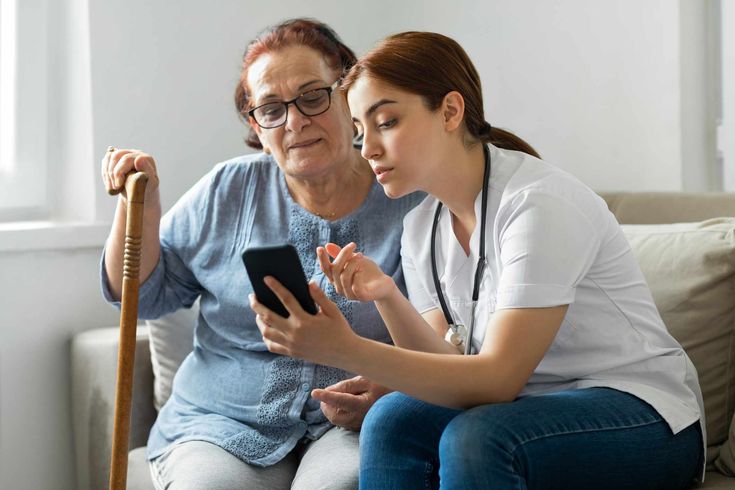
Improving Access to Healthcare for Older Adults

Introduction
For many seniors, healthcare access is not just about medical treatment—it’s about dignity, independence, and quality of life. Yet in 2025, millions of older adults still face significant barriers to receiving the care they need. From transportation challenges to workforce shortages, these obstacles can have life-altering consequences.
The Barriers Older Adult Face
- Transportation difficulties: Many elderly individuals cannot drive and lack reliable public transport.
- Financial constraints: Rising healthcare costs and limited insurance coverage make treatments unaffordable.
- Workforce shortages: Geriatric specialists and caregivers are in short supply, leading to long wait times.
- Digital divide: Telehealth is expanding, but seniors without internet access or digital literacy are left behind.
- Geographic inequities: Rural seniors often face fewer healthcare facilities compared to urban counterparts.
The Impact of Limited Access
Missed appointments and delayed diagnoses.
Increased emergency room visits due to unmanaged chronic conditions.
Higher caregiver stress when families must fill gaps in care.
Worsening health disparities among low-income and rural elderly populations.
Innovative Solutions Emerging in 2025
Mobile clinics: Bringing healthcare directly to underserved communities.
Telehealth expansion: Simplified platforms designed for seniors with larger fonts and voice assistance.
Community health workers: Local volunteers trained to provide basic care and connect seniors to services.
Policy initiatives: Governments are piloting programs to subsidize transportation and expand home-based care.
AgeTech integration: Smart devices that allow remote monitoring, reducing the need for frequent hospital visits.
Practical Steps for Families and Caregivers
Explore telehealth options: Many providers now offer senior-friendly platforms.
Leverage community resources: Churches, NGOs, and local councils often provide transport or health outreach.
Advocate for policy change: Families can join senior advocacy groups pushing for better healthcare access.
Combine technology with human support: Use monitoring devices but ensure regular in-person check-ins.
Conclusion
Improving healthcare access for older adults is not just a medical challenge—it’s a societal responsibility. By breaking down barriers through innovation, policy, and community support, we can ensure seniors live healthier, more independent lives. The future of elderly care depends on making healthcare not only available, but truly accessible.